
Tips for Reliable Private Car Inspections
Discover essential tips for reliable private car inspections in Ireland, helping dealers source quality stock and avoid costly mistakes.
Sourcing quality used cars from private sellers can be a goldmine for independent dealers, but it also comes with its challenges. Without the structured checks of a dealership trade-in, you need to be meticulous to avoid costly mistakes. Here's how to conduct a thorough private car inspection that ensures you only bring reliable stock onto your forecourt.
Understanding the Challenge
When buying from private sellers, you lack the safety nets of established dealer networks. There's no previous trade history, and the seller might not provide a full service record. This can lead to unexpected repairs that eat into your margins. Unlike large forecourts that can absorb these costs more easily, smaller dealers need to be extra vigilant.
Essential Pre-Inspection Preparations
Before you even set eyes on the car, do some groundwork:
- Research the Vehicle: Use the car's registration to check its history. Look for discrepancies in mileage or ownership records.
- Prepare a Checklist: A written checklist ensures you don’t miss anything critical. Include items like tyre condition, bodywork, and service history.
- Know Market Prices: Be aware of the current market value for the make and model. This helps in negotiating and assessing potential profit margins.
Conducting a Thorough Exterior Inspection
Start with the exterior, as it's the first indicator of the car's overall condition:
- Bodywork: Look for mismatched paint, which can indicate repairs. Check for rust, especially in vulnerable areas like wheel arches and door sills.
- Glass and Lights: Ensure all windows are intact and check for any cracks or chips. Test all lights, including indicators and brake lights.
- Tyres: Inspect for even wear patterns. Uneven wear might suggest alignment issues. Verify the tread depth to ensure they meet legal requirements.
Interior Checks
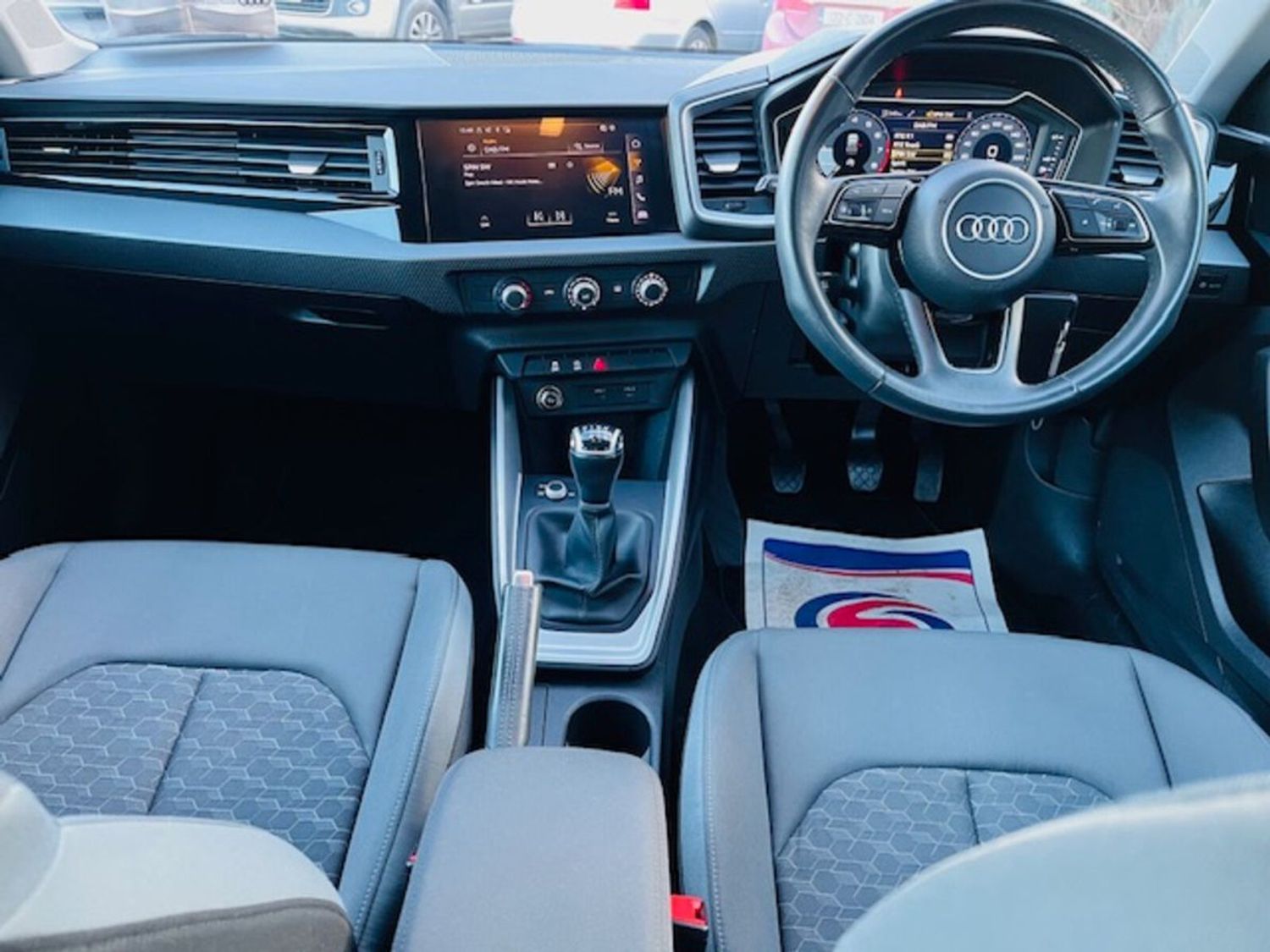
The inside of the car can tell you a lot about how well it's been cared for:
- Seats and Upholstery: Check for tears or stains. These can be costly to repair and affect resale value.
- Dashboard: Ensure all warning lights illuminate briefly when you start the engine, then go off. Persistent lights could signal expensive problems.
- Electronics: Test all electronic functions, including the infotainment system, windows, and mirrors.
Mechanical and Engine Inspection
This is where many costly issues can hide:
- Engine Bay: Look for signs of leaks, such as oil or coolant stains. Check the condition of belts and hoses.
- Oil and Fluids: Pull out the dipstick to check the oil level and condition. Low or dirty oil can indicate neglect.
- Suspension and Brakes: On a test drive, listen for unusual noises that might suggest suspension or brake issues. Ensure the car brakes in a straight line without pulling to one side.

Paperwork and Documentation
Never underestimate the importance of thorough documentation checks:
- Service History: A full service history is ideal, but even partial records can provide insights into how well the car was maintained.
- NCT Certificate: Verify the NCT's validity and check any advisories or failures in the history.
- Ownership and Tax: Confirm the seller’s identity matches the logbook to avoid any legal complications.
Cost Considerations for Independent Dealers
When you find issues during the inspection, factor them into your buying decision:
- Negotiation Leverage: Use identified faults as a bargaining chip to lower the purchase price.
- Repair Costs: Estimate potential repair costs and deduct them from your buying offer to maintain your profit margin.
- VAT Margin Scheme: Remember that repairs and refurbishment costs can impact your VAT margin calculations. Factor this into your pricing strategy.
How Larger Forecourts Handle Inspections
Bigger forecourts often have dedicated teams or partnerships with inspection services, allowing them to process a higher volume of cars more efficiently. They can afford to take on higher-risk vehicles because they have the resources to manage repairs in-house. Independent dealers, however, must be more discerning and hands-on to ensure each vehicle is a sound investment.
Practical Recommendation
Invest time and effort into each private car inspection to safeguard your profits. Use a detailed checklist and be thorough in both physical inspections and documentation reviews. This diligence will pay off in the quality of stock you offer and your reputation for reliability.
To streamline your sourcing process and access a wider range of private sellers, consider Join CarSpot Auctions →. With direct access to private-seller listings, you can enhance your inventory without the usual legwork.
Remember, the more meticulous your inspection, the fewer surprises you'll face—and the more satisfied your customers will be.
Keywords